

Abstract
Buying Dental Instruments can feel like stepping into a maze: the catalog looks endless, every supplier says “premium,” and yet small mistakes (a mismatched handpiece connection, a weak curing light, an unreliable camera, or poor ergonomics at the chair) can quietly drain time and money for years. This article breaks the decision down into a clear, clinic-friendly order of priorities. You’ll get a category checklist, a comparison table, and a question set you can use to evaluate quotes—so you can build a dependable instrument lineup without overbuying or sacrificing quality.
Table of Contents
- Outline at a glance
- The most common buying pain points
- A sensible investment order for Dental Instruments
- Quality checks that prevent expensive surprises
- Workflow and ergonomics that protect your team
- Imaging and digital tools that pay back fast
- Documentation and import readiness
- Cost of ownership breakdown
- A buyer’s RFQ checklist you can copy
- How a manufacturing partner should support you
- FAQ
Outline
- Identify where clinics lose money: downtime, rework, and staff fatigue
- Buy in the right order: essentials first, upgrades second, “nice-to-have” last
- Verify quality with simple, repeatable checks (materials, tolerances, serviceability)
- Design a workflow that reduces chair time and protects your team’s posture
- Choose imaging tools that improve communication and reduce remakes
- Confirm paperwork early to avoid customs delays and regulatory headaches
- Compare total ownership cost, not only unit price
The most common buying pain points
Clinics rarely fail because they bought “the wrong brand.” They fail because the instrument system doesn’t match their daily reality.
Here are the issues that show up in real operations—especially for new practices and fast-growing chains.
- Downtime A single weak link (handpiece, suction, curing light, scanner cable, chair valve) can stop a room for hours.
- Inconsistent results Poor finish or unstable performance leads to rework—extra chair time that no one budgets for.
- Compatibility traps Connectors, software, consumables, and replacement parts can be “almost compatible,” which is worse than not compatible.
- Hidden maintenance Low price can mean frequent calibrations, fragile hinges, or difficult-to-source spares.
- Team fatigue Bad ergonomics (chair position range, lighting angle, instrument layout) causes posture strain and productivity loss.
- Paperwork delays Missing documents or unclear labeling can turn a shipment into weeks of delay and unexpected fees.
A sensible investment order for Dental Instruments
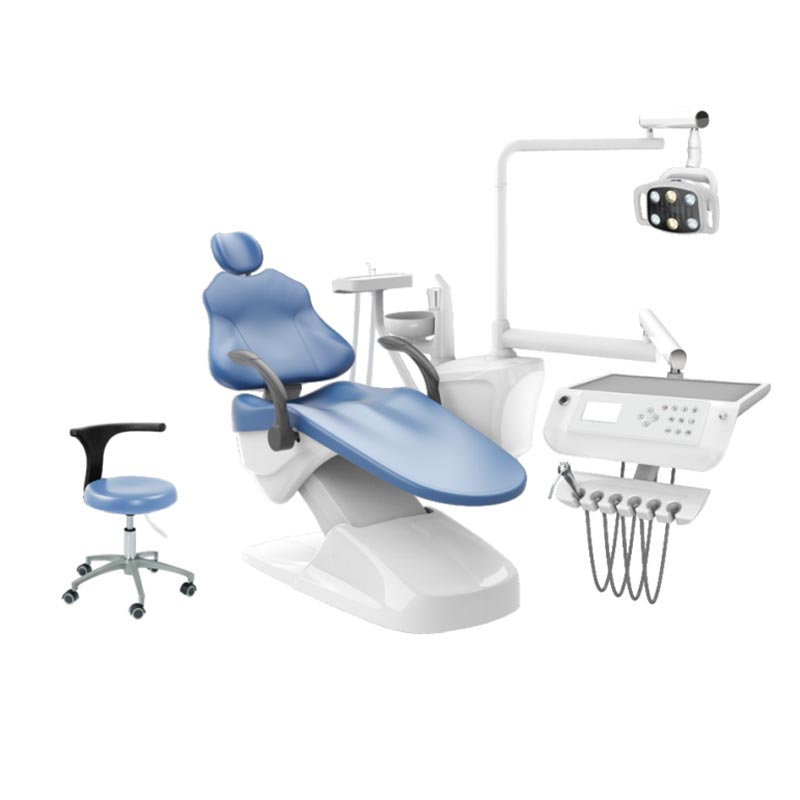
If you’re building from scratch or upgrading on a budget, prioritize instruments that affect every patient, every day. The goal is to stabilize core care first, then add speed and comfort upgrades.
Recommended priority tiers
-
Tier 1: Everyday essentials
Hand instruments for exam and hygiene, reliable suction/evacuation accessories, basic restorative sets, and sterilization-compatible trays and organization tools. -
Tier 2: Workflow accelerators
Durable dental chair system (or chair upgrade kit), dependable handpieces/drilling tools, stable curing light, and high-clarity intraoral visualization tools. -
Tier 3: Growth tools
Intraoral camera for case communication, intraoral scanner for digital workflows, and add-ons that reduce remakes and improve documentation. -
Tier 4: Differentiators
Advanced digital features, portable setups for outreach, and premium upgrades that support your clinic’s brand position.
Quality checks that prevent expensive surprises
You don’t need a lab to screen suppliers. You need a repeatable checklist that catches the usual failures early—before you commit to volume.
- Materials transparency: Ask for material grades for metal parts and wear components. Confirm corrosion resistance and sterilization tolerance.
- Surface finish & edges: Poor polishing or sharp edges create patient discomfort and speed up corrosion.
- Tolerance & fit: Hinges, joints, and couplings should feel smooth and consistent across multiple samples (not just one “golden sample”).
- Serviceability: Can common wear parts be replaced quickly? Are spares standardized or proprietary?
- Stability over time: For powered devices, ask about runtime, heat management, and calibration intervals.
A practical tip: request 2–3 sample units from different batches when possible. Consistency across batches is where quality shows up.
Workflow and ergonomics that protect your team
The “best” instruments are the ones your clinicians can use comfortably for hours without fighting the setup. If your team’s posture is strained, productivity drops and turnover risk rises—quietly, but inevitably.
Ergonomic essentials to validate before you buy
- Chair range and positioning: Ensure low and high positions fit both patient comfort and clinician posture.
- Instrument layout: Trays, holders, and tubing should reduce twisting and unnecessary reaching.
- Lighting behavior: Stable intensity, predictable beam pattern, and easy repositioning matter more than marketing wattage.
- Noise and vibration: Over a full day, “slightly annoying” becomes “clinically exhausting.”
- Cleaning design: Smooth surfaces and fewer crevices speed up turnaround and support infection control routines.
Imaging and digital tools that pay back fast
Digital tools aren’t only for high-end clinics. The right imaging choices can reduce misunderstandings, increase case acceptance, and improve documentation quality—especially when your clinic is scaling and training new staff.
| Instrument Category | What it solves | What to check before buying | Common pitfalls | Questions to ask the supplier |
|---|---|---|---|---|
| Dental chair system | Daily workflow stability and patient comfort | Position range, durability of joints, ease of cleaning, service access | Hard-to-source spares, complex repairs, uncomfortable positioning | What parts fail most often and how fast can you ship replacements? |
| Rotary/drilling tools & handpieces | Procedure efficiency and precision | Heat control, vibration, connector compatibility, maintenance cycle | “Compatible” couplings that leak or wear quickly | Which couplings are supported and what maintenance schedule do you recommend? |
| Light-curing lamp | Reliable curing and reduced rework | Stable output, curing modes, heat, battery longevity | Overheating, inconsistent intensity, short battery life | How is intensity verified, and what is the typical battery replacement timeline? |
| Intraoral camera | Chairside communication and documentation | Image clarity, handling, device compatibility, hygiene sleeves | Laggy image, fragile cable, poor app support | Which systems are supported, and how do you handle updates and after-sales support? |
| Intraoral scanner | Digital workflow speed and fewer remakes | Scan speed, accuracy, software workflow, training resources | Steep learning curve, expensive consumables, weak service support | What training is included, and how do you handle calibration/service internationally? |
Documentation and import readiness
Many procurement headaches aren’t about the instrument itself—they’re about what’s missing on paper. Solve this early and your deliveries become predictable.
Documents and details worth confirming up front
- Product identification: Clear model naming, consistent labeling, and packaging information.
- Compliance package: Any certifications or declarations required for your market, with matching model numbers.
- Instructions and maintenance guidance: Simple, complete documentation reduces misuse and extends lifespan.
- Spare parts list: A transparent parts map prevents “we can’t support that version anymore” problems.
- Warranty clarity: What’s covered, what’s excluded, and how service is handled across borders.
If your clinic imports regularly, ask suppliers to standardize a documentation set for each instrument family. It saves time every single shipment.
Cost of ownership breakdown
Unit price is only the cover of the book. The full story includes maintenance time, replacement parts, and how often your operatory sits idle. Use a simple comparison like the one below to avoid “cheap now, expensive forever.”
| Cost Factor | What it looks like in real life | How to reduce it |
|---|---|---|
| Downtime | Cancelled patients, overtime, and stressed staff | Choose proven designs, stock critical spares, confirm service response time |
| Maintenance labor | More time fixing, less time treating | Prefer serviceable designs; request clear maintenance guides and training |
| Consumables | Ongoing costs for sleeves, tips, and compatible accessories | Confirm availability and pricing stability before committing |
| Rework risk | Redo procedures due to inconsistent performance | Validate stability and consistency across batches; test in real workflows |
| Staff fatigue | Slower days, more errors, higher turnover | Prioritize ergonomics and layout; invest in comfort where it matters |
A buyer’s RFQ checklist you can copy
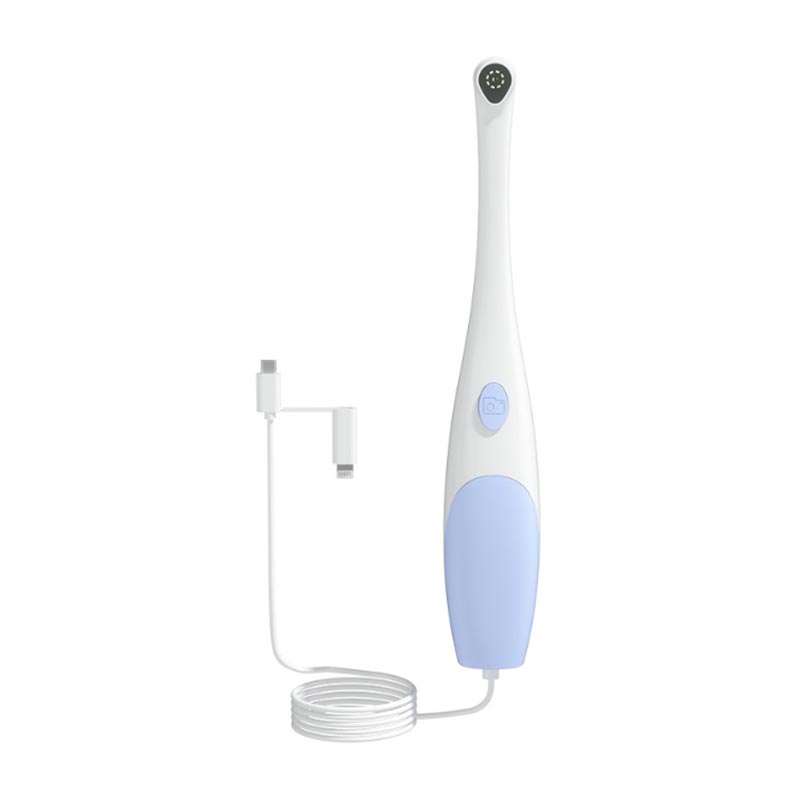
If you want faster, cleaner quotes—and fewer misunderstandings—send suppliers a structured request. Here’s a copy-friendly checklist you can paste into your next inquiry.
- Clinic profile: number of operatories, daily patient volume, and planned procedures
- Instrument list: quantities per category, preferred configurations, and must-have features
- Compatibility notes: existing connectors, software environment, and preferred accessories
- Documentation needs: required declarations/certifications for your market and labeling preferences
- Service expectations: response time, spare parts lead time, training options
- Sampling: request batch consistency, not only a single “demo unit”
- Delivery terms: target date, packing requirements, and warranty start policy
How a manufacturing partner should support you
A supplier isn’t just a catalog. The best partners help you reduce risk: they clarify configurations, prevent compatibility mistakes, and support the instruments after they arrive.
Tianjin Hanteng Shengye Technology Co., Ltd. works with clinics and distributors that want a practical, scalable approach to Dental Instruments—from core operatory equipment to imaging tools—while keeping day-to-day maintenance and procurement friction low. In a growth phase, that kind of support can be the difference between smooth expansion and constant troubleshooting.
- Clarity: clean model options and configuration matching
- Consistency: stable quality across batches, not just a one-off sample
- Support: spare parts planning and guidance for upkeep
- Flexibility: practical customization without turning every order into a science project
FAQ
How do I avoid buying instruments that don’t fit my existing setup?
Start by listing your current connectors, software environment, and preferred consumables. Then ask the supplier to confirm compatibility in writing (including model numbers). When possible, test with a sample in your real workflow before committing to volume.
What should I prioritize if I’m opening a new clinic on a tight budget?
Stabilize Tier 1 essentials first (everyday hand instruments, reliable organization, and turnover-friendly workflow). Next, invest in the equipment that affects every procedure: chair stability, reliable powered tools, and a dependable curing light. Add imaging tools once your daily flow is stable.
Is it better to buy a full set from one supplier or mix brands?
A single supplier can simplify documentation, spare parts, and accountability. Mixing brands can work if you have strong in-house procurement discipline. For many clinics, a hybrid approach is ideal: consolidate “system items” (like chair + key accessories) while selectively choosing specialized tools as needed.
How can I tell if “low price” will become “high maintenance” later?
Ask about common failure points, spare parts lead times, and the recommended maintenance schedule. Request multiple samples if possible, and look for consistency across batches. If the supplier can’t clearly explain service and spare support, the risk is usually higher.
What’s the fastest way to reduce rework and remakes?
Focus on stability and visibility: reliable curing performance, consistent rotary tools, and strong chairside visualization. Clear imaging improves decision-making, communication, and documentation—three places where clinics often lose time without noticing.
Ready to build a dependable instrument lineup?
If you’re comparing options for Dental Instruments—whether you’re opening a new clinic, upgrading operatories, or scaling a chain—make the process easy: share your procedure mix, the number of rooms, and what you already use. We’ll help you map the right priority tier, match configurations, and keep long-term upkeep in mind.
Want a quote or a tailored recommendation list? Contact us with your requirements, and let’s turn your instrument plan into a smooth, reliable workflow.